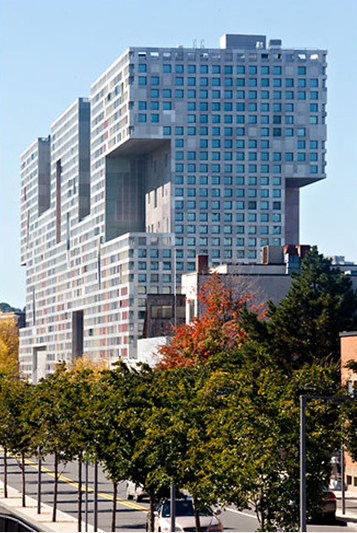
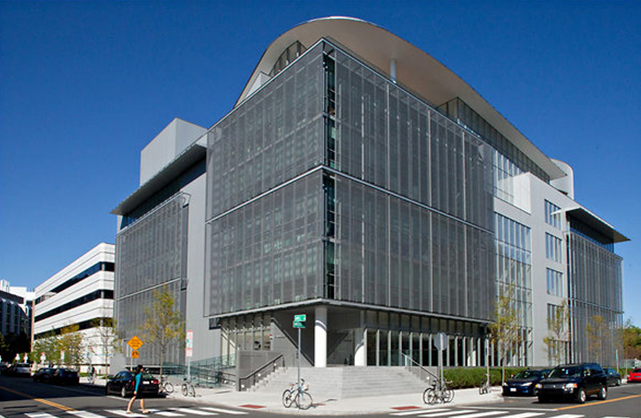
Category Archives: Architecture

Ink block

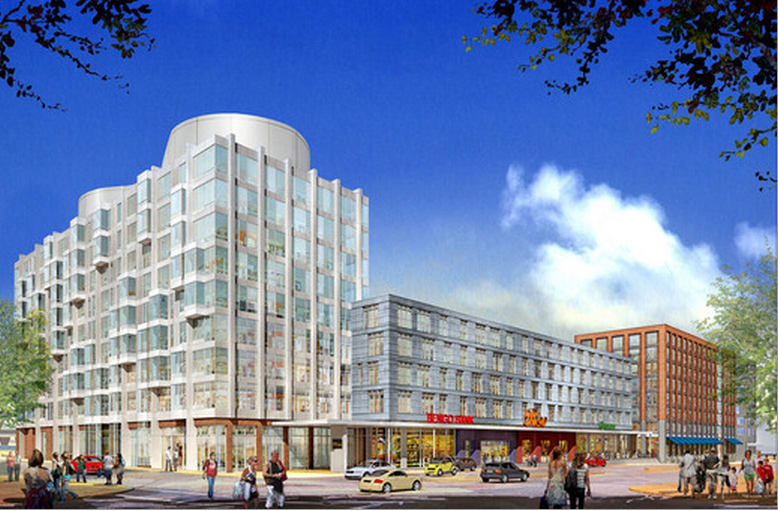
Ink Block courtesy of BRA

Despite the South End’s gentrification, a corner of my neighborhood near the Mass Pike and Chinatown has remained a no-man’s land only notable for it’s tenant, The Boston Herald.  The Herald’s announcement last year that it would leave it’s home of more than 50 years has resulted in a recent proposal dubbed the “Ink block”.

The ambitious plan calls for replacing The Boston Herald building  with multiple buildings of mixed use space that would include 470+ rental residential units, retail space and 400+ underground parking space.

The Boston Herald building is scheduled for demolition in the fall of 2012 and based on the neighborhood’s enthusiastic response, I hope they can start building this welcome addition right away.

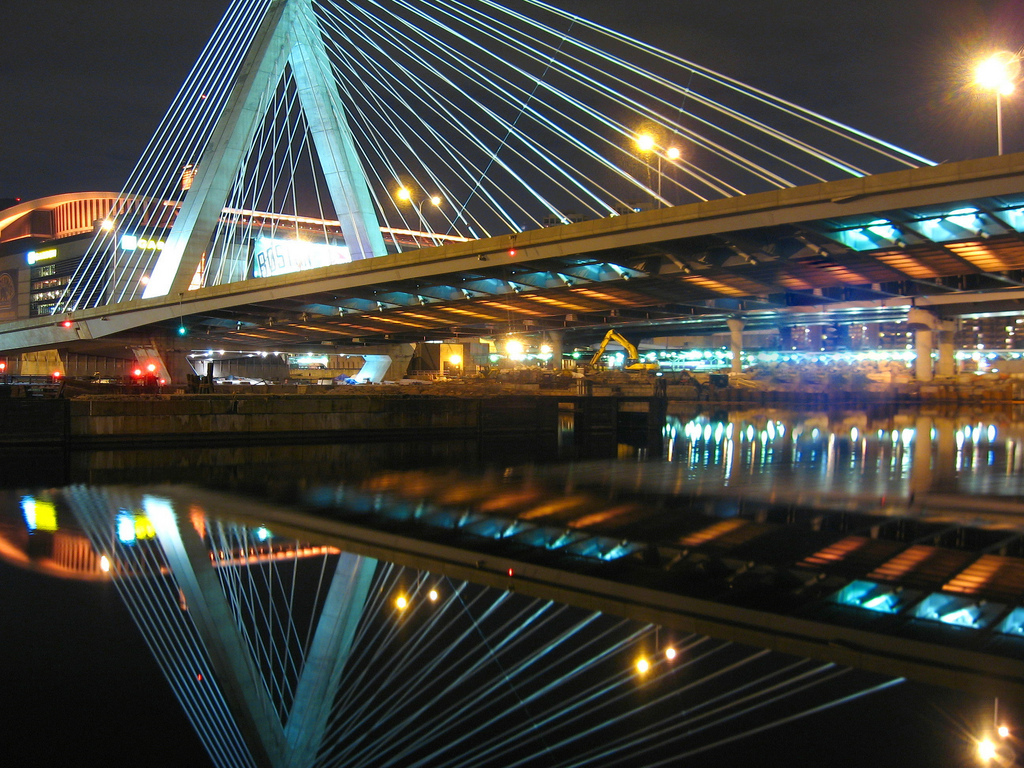
Zakim reflections by Greg MacKay

Reflections

Copyright Greg MacKay

When people think of Boston, they rightfully conjure images of Victorian era bow front brownstones and row houses; modern architecture, while present, is lost amid a mass of brick.  However, when Boston’s expressway was torn down during the Big Dig, the city chose a modern design, and built the world’s widest cable-stayed bridge. The clean lines and modern design has made it irresistible to local photographers like Greg MacKay who recently took this picture.  Like what you see? More of his work is online here.

Cathedral of the Holy Cross

I live just a couple of blocks from the Cathedral of the Holy Cross which is the heart of the Catholic Archdiocese of Boston.  Walking home this evening I snapped a few photographs of this church which according to Wikipedia is Gothic Revival Architecture.

The church which first opened its doors in 1875 is not significant, but it does inspire architecture enthusiasts to give pause, and I think it provides a lot of personality to the neighborhood.

$1 Billion spent by Boston area museums

The winter months are my favorite time of year to visit local museums.  They provide a respite from the cold and snow as well as a great way to interact with friends.  According to the Boston Magazine daily blog, several of Boston’s leading cultural institutions have raised and spent significant amounts of money to upgrade their collections and infrastructure in the past 10 yrs.

Institute of Contemporary Art (Photo via ThinkStock)

Some of these projects have made national headlines such as the opening of the new Institute of Contemporary Arts (ICA) museum on Boston’s south waterfront in 2006.  This was the first new art museum to be built in the city in nearly 100 years and the iconic building has drawn 1,000,000 visitors.

Museum of Fine Arts New America’s Wing (Photo via NBMAA)
At the same time, the Boston Museum of Fine Arts (MFA) embarked on an audacious expansion, raising more than $500 million to build the New America’s wing; a four story building that has 51,000 square feet and houses 53 new galleries.  The new wing opened November 2010. 

Isabella Gardner Museum (Photo via WBUR)
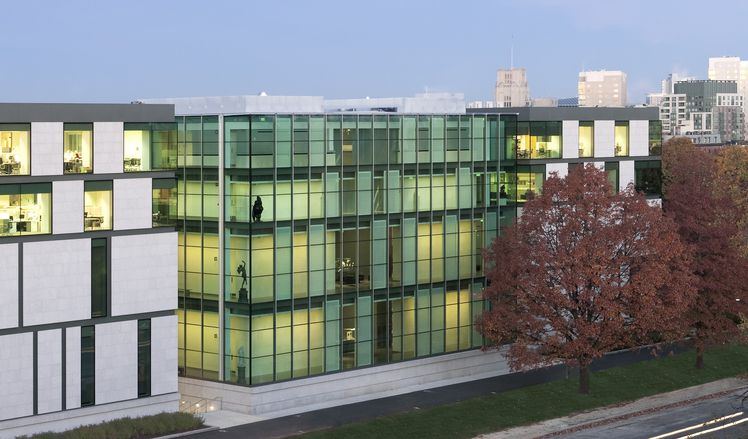
Last week, the Isabella Stewart Gardner Museum completed a $114 million expansion, opening a very modern looking new glass building that adds 70,000 square feet of exhibit space.  The new space is a stark contrast to the original building which is a replica of a Venetian palace.

Across the river in Cambridge, Harvard University is re-building the school’s three art museums to bring together the Fogg Museum, the Busch-Reisinger Museum, and the Arthur M. Sackler Museum into one state-of-the-art facility. Construction is expected to be completed in 2013.

If you are visiting the Boston area or if you happen to live here and have not visited one of these venerable institutions, won’t you consider checking them out? These institutions have built some world class facilities that are housing incredible works of art.  Good art evokes emotion and generates dialog – you may be surprised by how much you enjoy yourself.

Night view of downtown Boston

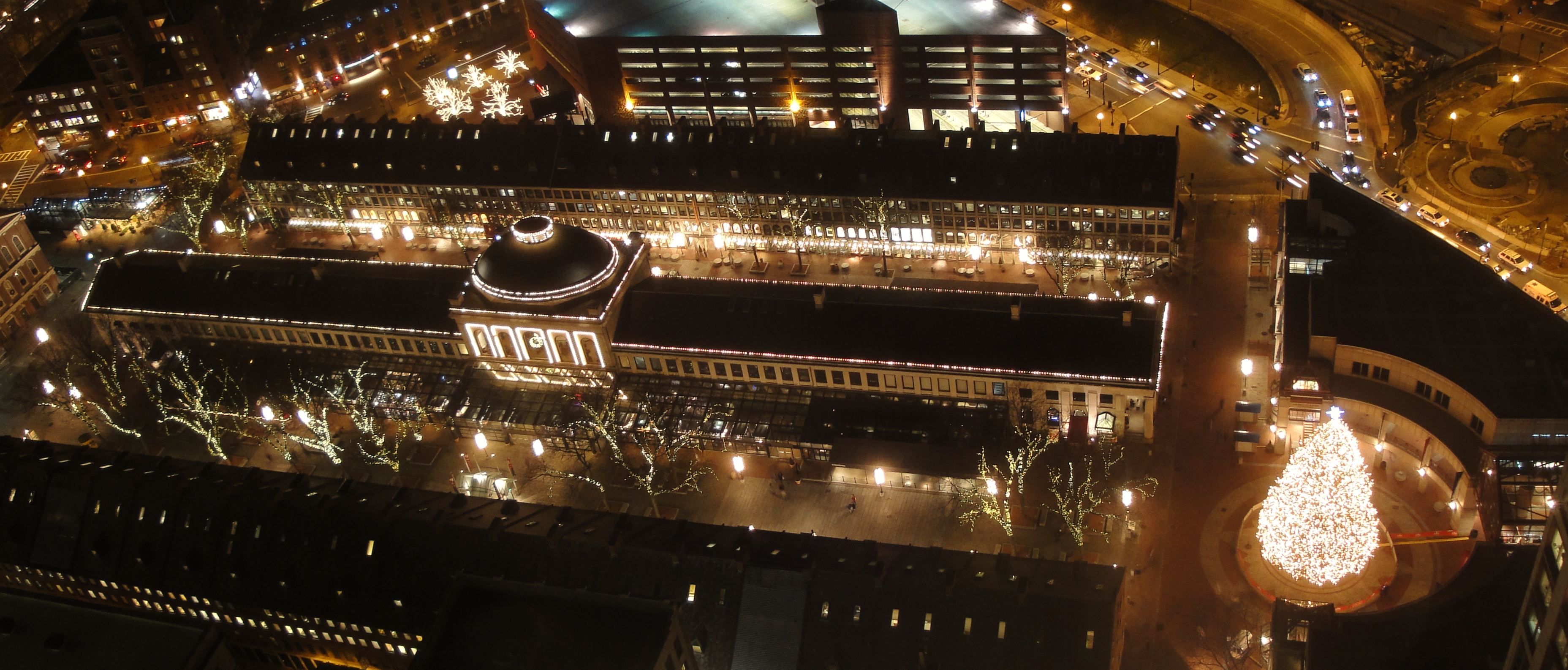
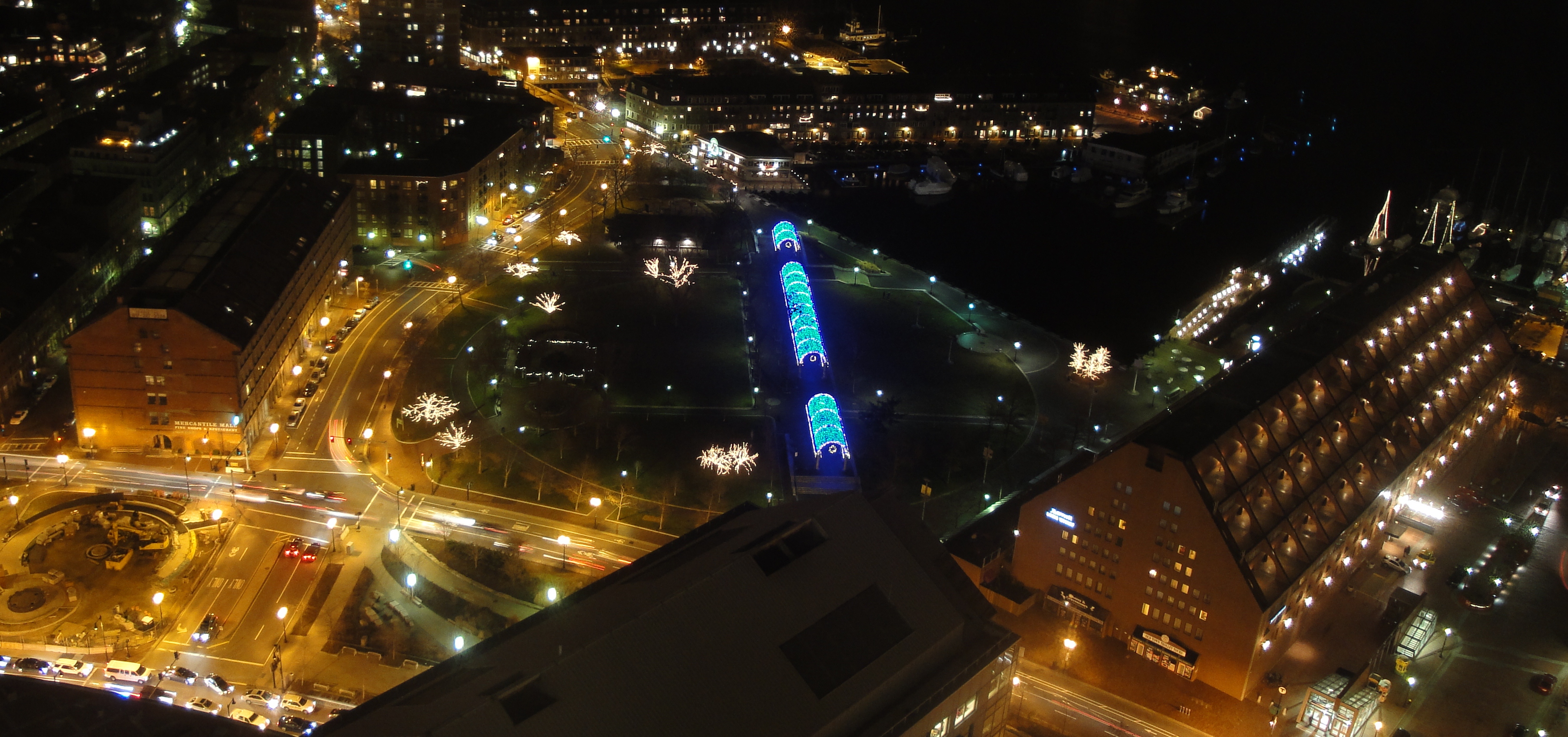
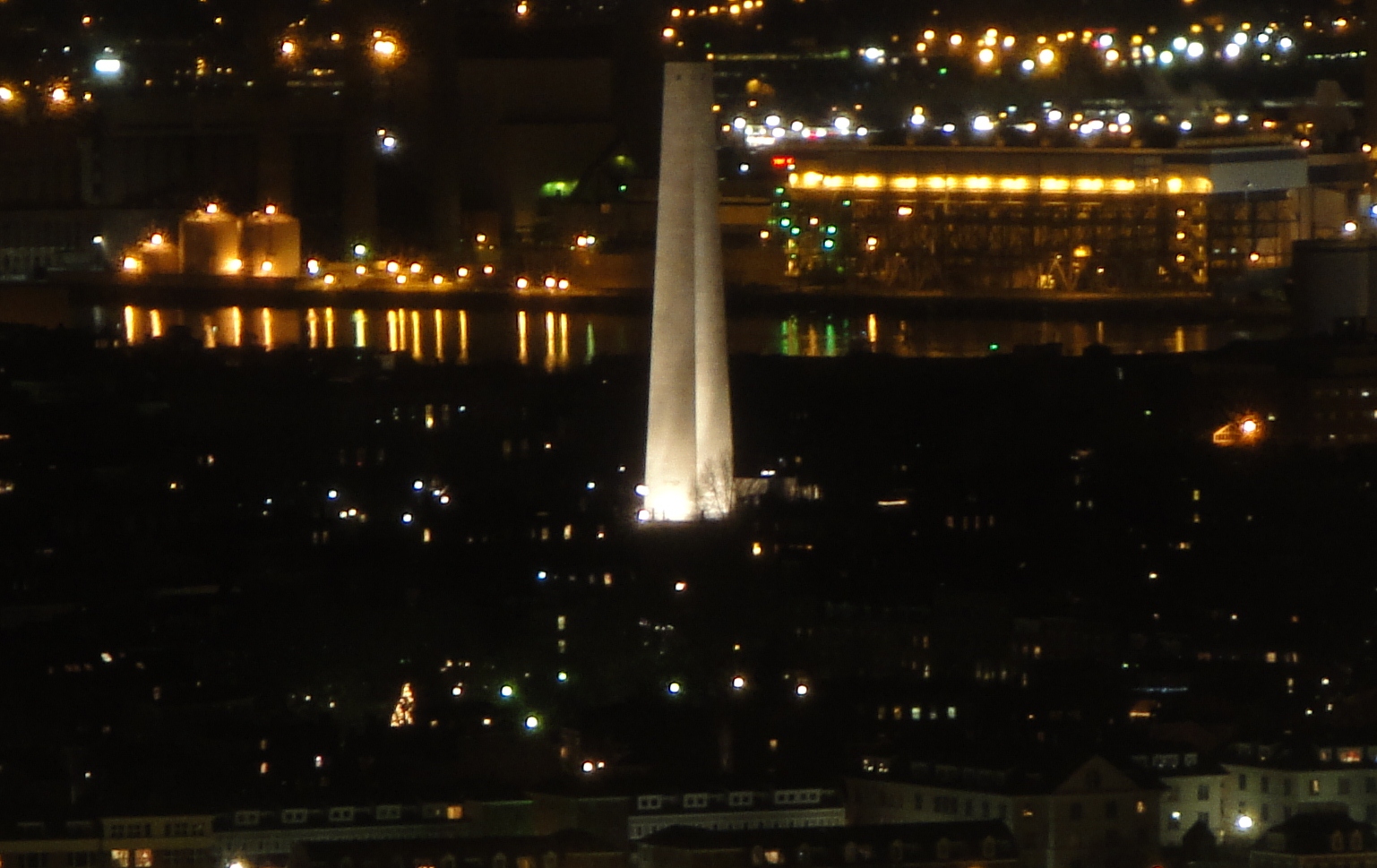
Last night Sergio took our friend Rodrigo to the top of The Custom House to show him downtown Boston at night.  From the top of this iconic building, one can get beautiful views of Boston harbor, Faneuil Hall Market, the North End and parts of downtown Boston. Here are a few photos that they snapped.

Faneuil Hall Market Place

An historic meeting hall off to the left of this picture and not visible is where the marketplace got its name.  The middle arcade with the dome is filled with stall after stall of food shops and the arcades above and below house retail & restaurant with the upper floors reserved for office space.  This is Boston’s version of Chicago’s Navy Pier or S.F.’s Fisherman’s Wharf.  Its where tourists come to visit and young 20-somethings get obnoxiously drunk on weekends.

Christopher Columbus Park / North End

The lower left of the picture is part of the Rose Kennedy Greenway which replaced Boston’s elevated highway. The upper left of the photo shows the North End (Boston’s Little Italy); where my grandmother grew up and my brother currently lives. The A-frame building to the right is the start of Long Wharf (where I catch the high speed ferry to Provincetown). Lastly, the blue lights are actually covering an extended arch that runs through the North End’s popular Christopher Columbus park and overlooks Boston Harbor.

Bunker Hill Monument 

North of the North End in Charlestown is the Bunker Hill Monument.  The obelisk which you can walk up was built in the 1800s to commemorate the first major conflict between British and Patriot forces which took place in 1775 and was where rebelling colonists were ordered “Don’t fire until you see the whites of their eyes”. A short walk from here (but not visible) is The U.S.S. Constitution (a.k.a. Old Ironsides) – the oldest commissioned ship in the world.

Central and Kendall Square Cambridge is booming

Recession?  What recession?

The Boston Globe is reporting that the $600 million laboratory and office complex for Novartis designed by noted architect, Maya Lin, in Cambridge’s Central Square has been approved and is expected to be completed in 2015. Architect buffs will recall Lin’s work was first recognized in the US after designing the Vietnam Veterans Memorial in Washington, D.C. in 1982.

This news comes on the heels of two other unrelated articles in The Boston Globe that addressed new projects underway across the river.  First was the announcement in late October that a $500 million development to build a 1.7 million square foot science and technology campus for Biogen was proposed. That news was followed by M.I.T.’s announcement last week that it was preparing to spend $700 million to redevelop eight of its properties in Kendall Square in Cambridge.

For those not familiar with the area, Cambridge neighbors Boston and can be seen from across the Charles River.  Central and Kendall Square are two prominent neighborhoods in Cambridge separated by just a few blocks.

Boston Architecture: The Burrage House

The Burrage House (named after the attorney, businessman, and philanthropist Albert C. Burrage and his family) is one of many distinctive properties that dot Back Bay’s Commonwealth Avenue.  The home which was initially constructed in 1899 is now divided into six condominiums each worth several millions of dollars and rent for $15,000+ a month.  Local football fans know that a few years ago Patriot’s quarterback, Tom Brady, called this home.

I’m so thankful that even if these are no longer single family homes, the city never allowed them to be torn down.  The Burrage House adds an element of elegance and ignites my imagination of what Boston must have been like 100+ years ago.  Below is a video of one of the condos which went up for sale earlier this spring and sold for more than asking ($4.35M). 

Back Bay – Boston

Back Bay is famous for its rows of Victorian homes, which according to wikipedia are considered one of the best-preserved examples of 19th-century urban design in the United States.   The neighborhood’s name refers to when this now trendy part of the city was marsh. Now a shopping, business and residential district, fans of architecture will recognize most of the residential buildings date from the late 19th and early 20th century.

When I first moved into Boston, I lived in the Back Bay and I’ll always consider the neighborhood home.  Below are a series of photographs from Back Bay.

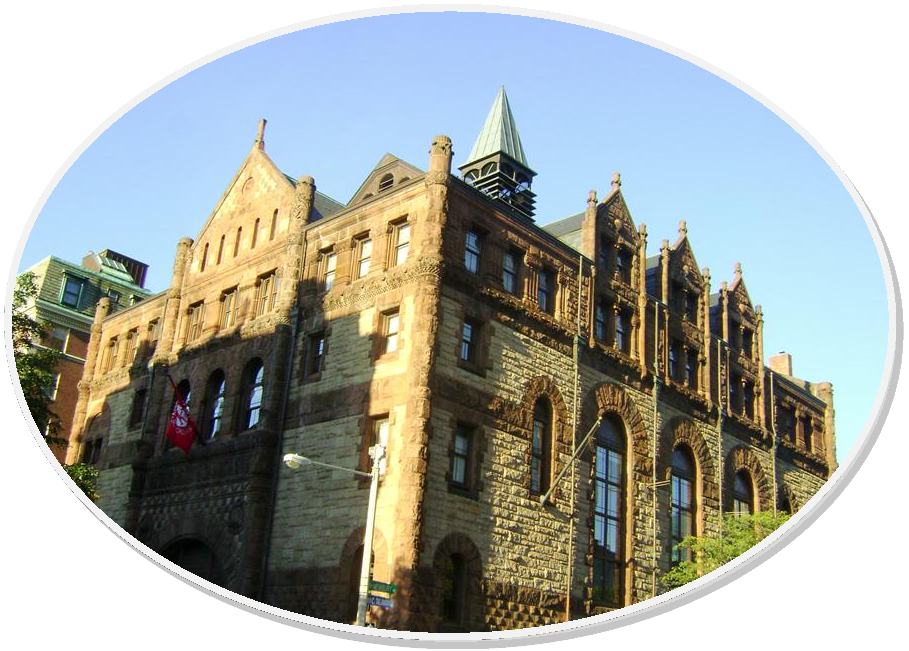
The neighborhood blends the old with the new beautifully.  The photos above are from opposing buildings at the intersection of Newbury Street and Massachusetts Avenue.  The modern building on the left was designed by Frank Gehry in 1989.  By contrast the re-purposed building across the street provides a glimpse of Boston’s past.

When I first moved to Boston the building above which dates back to 1899 was home to Waterstone’s Bookstore and was one of my favorite places to spend time when the weather wasn’t agreeable.  The building is now home to a Montessori school and a restaurant.

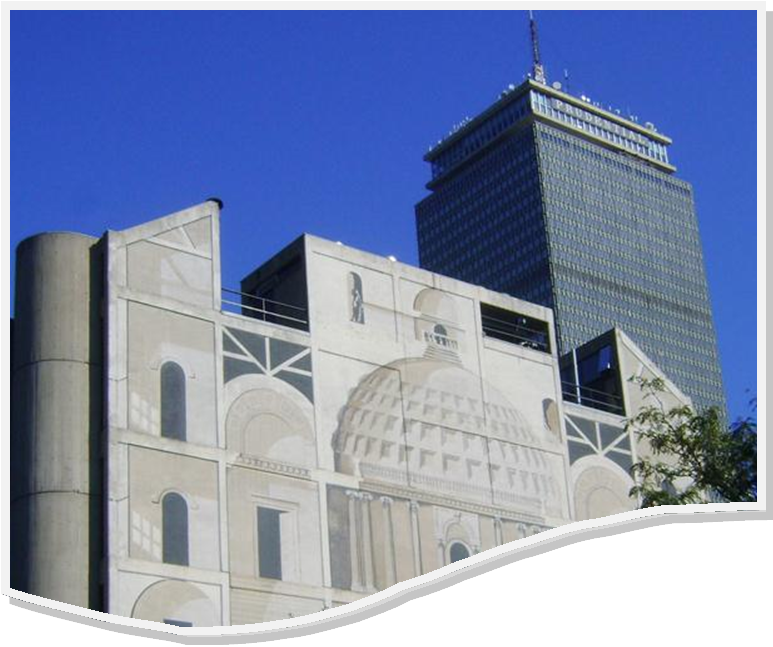
Above is a trompe l’oeil to add some interest to what otherwise would be the back of a concrete building that is home to the Boston Architectural College and behind it is the Prudential building which dominates the Back Bay skyline.


M.I.T.’s cool architecture

For anyone who has visited Boston they know the city’s architecture is synonymous with brick and brownstone. Check out some recent photos I took from BackBay last month for an example of what I’m referring to. Nearly half of my neighborhood (the South End) is comprised of mid-nineteenth century brick Victorian bow-front town houses. Despite this city’s love affair of all things brick – there is some really beautiful architecture that is really exciting if you are in to that sort of thing (and I am).

The NY Times has a cool article in today’s business /real estate section about M.I.T.’s campus transformation and the very edgy and modern buildings they have built across the Charles River. According to the article, M.I.T. has spent $1.4 billion constructing 10 buildings over the past decade. No wonder there does not appear to be a downturn in construction industry in the Boston area. They’ve engaged giants in architecture to build these “trophy buildings” including the likes of Frank Gehry.

I’ve included some photos of buildings on the M.I.T. campus I like.

M.I.T. Media Lab
M.I.T. Stata Center
You can read the full article here.
You can view the slide show of construction projects here.